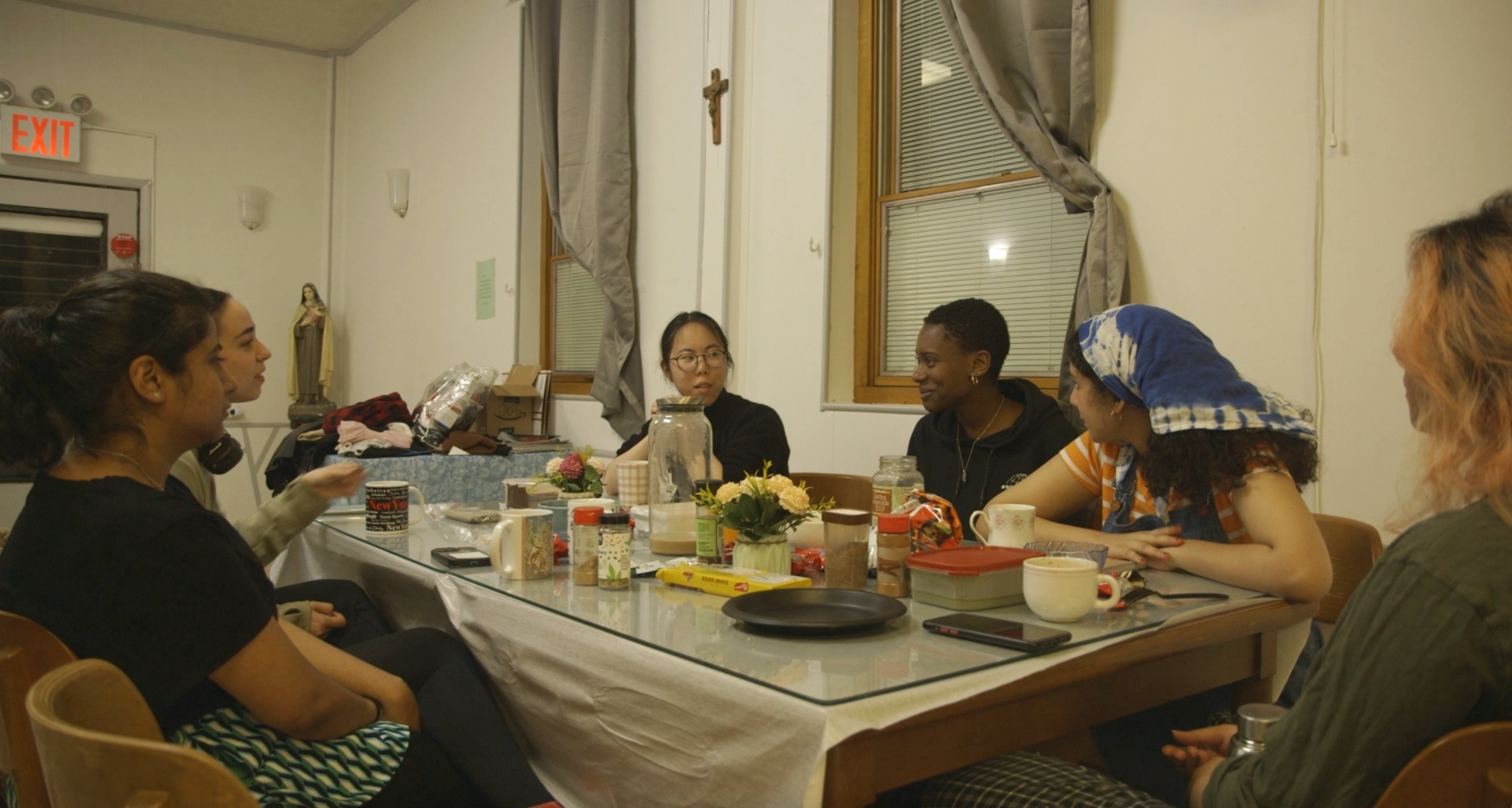
The residents of St. Joseph's gathered around the communal dinner table.
Case Study 03 · Documentary Film

St. Joe's Hoes

A character driven documentary exploring immigration, housing insecurity, and creative ambition in New York City.

Role
Director, Editor, Cinematographer
Recognition
Woodstock Film Festival 2025 — Special Jury Mention
Support
NYSCA 2026 — Grant Recipient
Location
Manhattan, New York City
The communal table, St. Joseph's
01 / Logline

Four women from around the world – a dancer, a painter, a photographer, and a writer – move into a crumbling Catholic nunnery-turned-women's dormitory in Times Square, each with two years of affordable housing to make it in New York. I lived there too, and filmed it from the inside over those two years. What emerged is less a story about arriving than about what it costs to stay.

02 / The Premise

Four strangers, one address.

In a time not far from now, before billions were spent to build mass detention camps, before millions of immigrants faced uncertain futures, a French-Gabonese dancer, a painter from Mumbai, a photographer from Delhi, and a Korean-American writer walked into a former nunnery in Times Square.

The building has a rat-prone kitchen, a stained-glass chapel, and communal showers with clogged drains. Rent is capped, and so is the stay: two years. Every woman arrived for the same reason and is on the same clock.

03 / The Cast

Meet the protagonists.

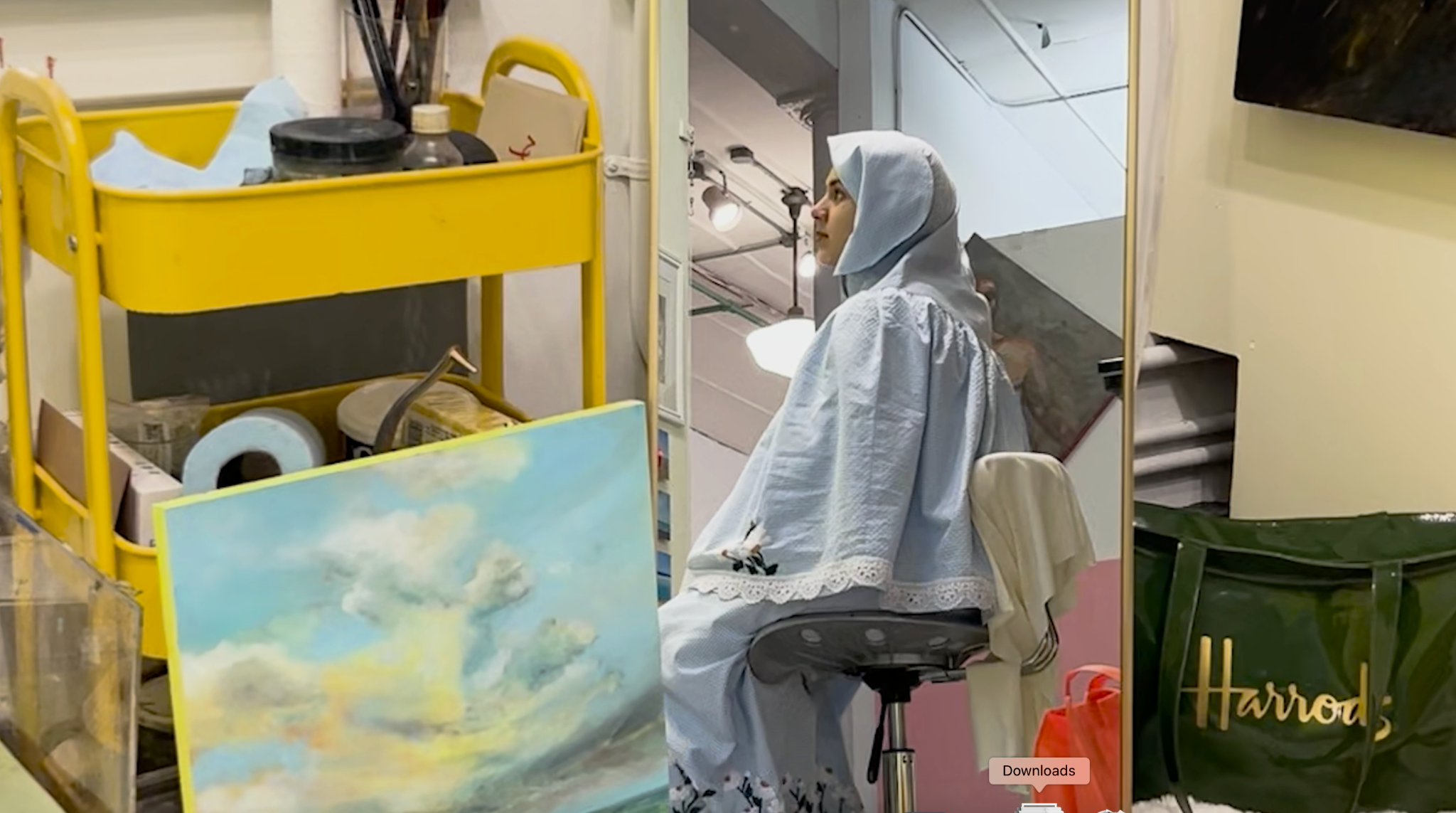
Fatema's studio: paintings, a supply cart, and her at the easel.
01 / 04

Fatema

26, painter

A painter from Mumbai's Bohra Muslim community who studied at the New York Academy of Art.

Partway through the two years a second clock starts, one she can't extend or negotiate. The studio, the marriage, and the work all have to make room for it.
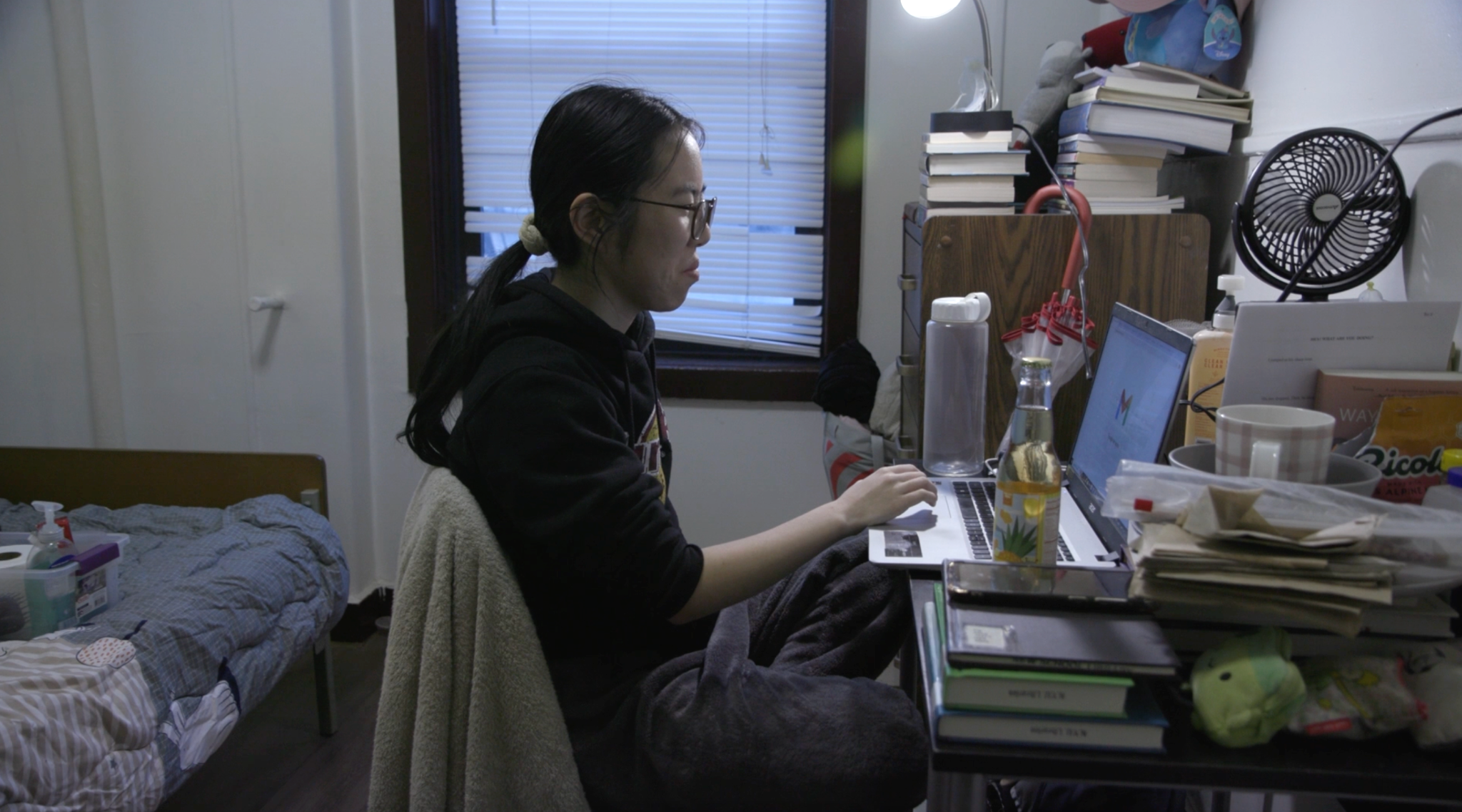
Christine writing at her desk in her dormitory room at night.
02 / 04

Christine

22, writer

A Korean-American humor writer from California, studying for her MFA at the New School.

She tries to balance her writing aspirations with her conservative immigrant upbringing, and the weight of her father's expectations.

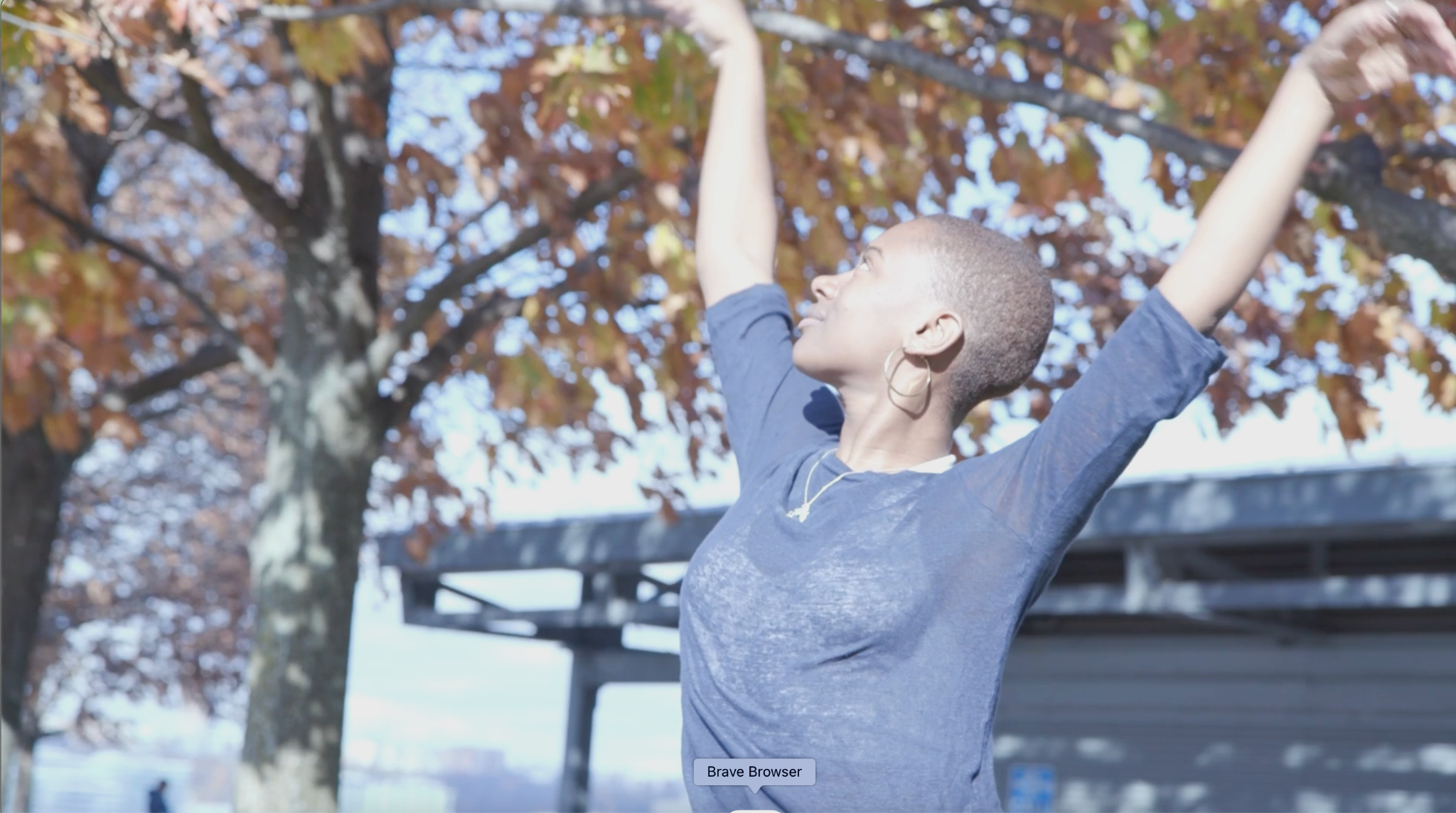
Lior dancing outdoors with her arms raised beneath autumn trees.
03 / 04

Lior

20, dancer

A French-Gabonese ballet dancer from Paris who came to New York for a fresh start after a troubled past.

She is chasing self-worth, belonging, and a shot at Alvin Ailey, the dream school that brought her to this side of the world.

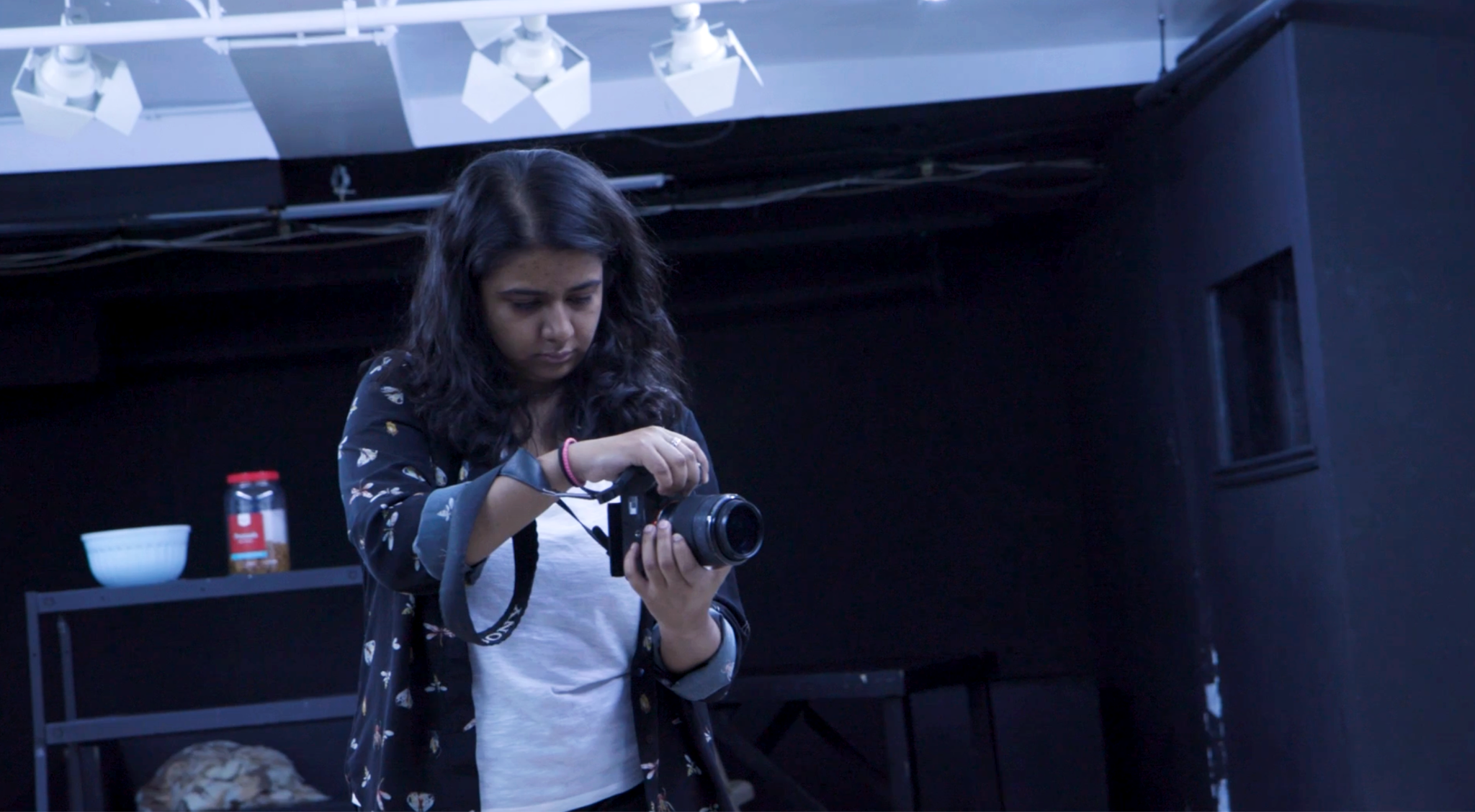
Shreya loading her camera on a lit set.
04 / 04

Shreya

27, photographer

A photographer from Delhi who studied at ICP, and the film's second camera.

She chases the raw truth of St. Joseph's through her photography, while quietly negotiating her own imposter syndrome and sense of self.

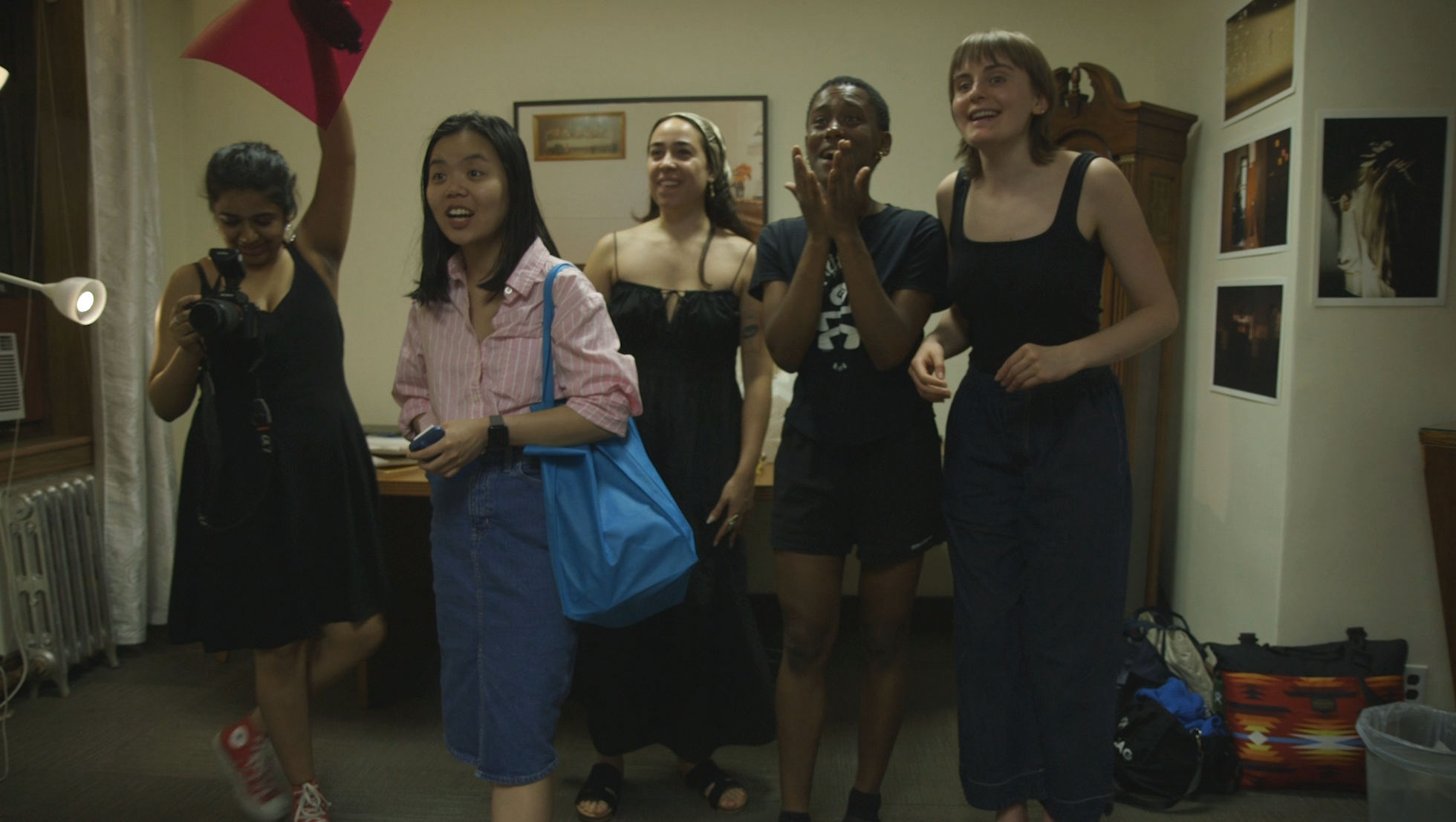
The residents walking into the dormitory together, laughing.

Everyone arrives alone. Nobody stays that way.

04 / Artistic Approach

The fifth character.

The film is quiet and intimate, shot almost entirely handheld. Four arcs are interwoven, and the nunnery itself becomes the fifth character, with its creaking floors, wooden crosses, old statues, and a chapel that sits empty more often than not.

The tone stays observational and playful. No voiceover, no re-enactment, no explaining the women to the audience.

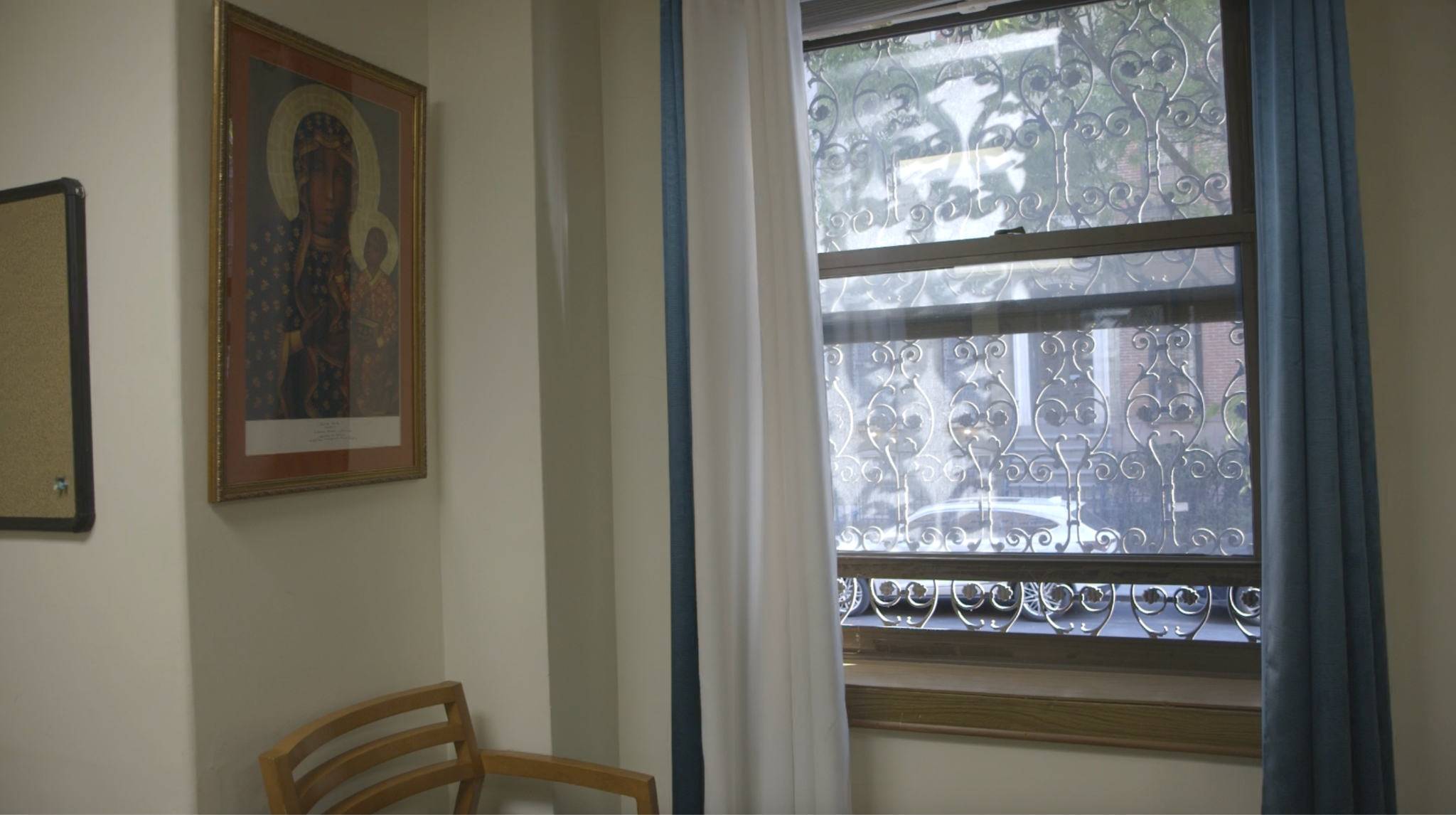
A religious icon hanging beside a curtained window in a common room of the nunnery.
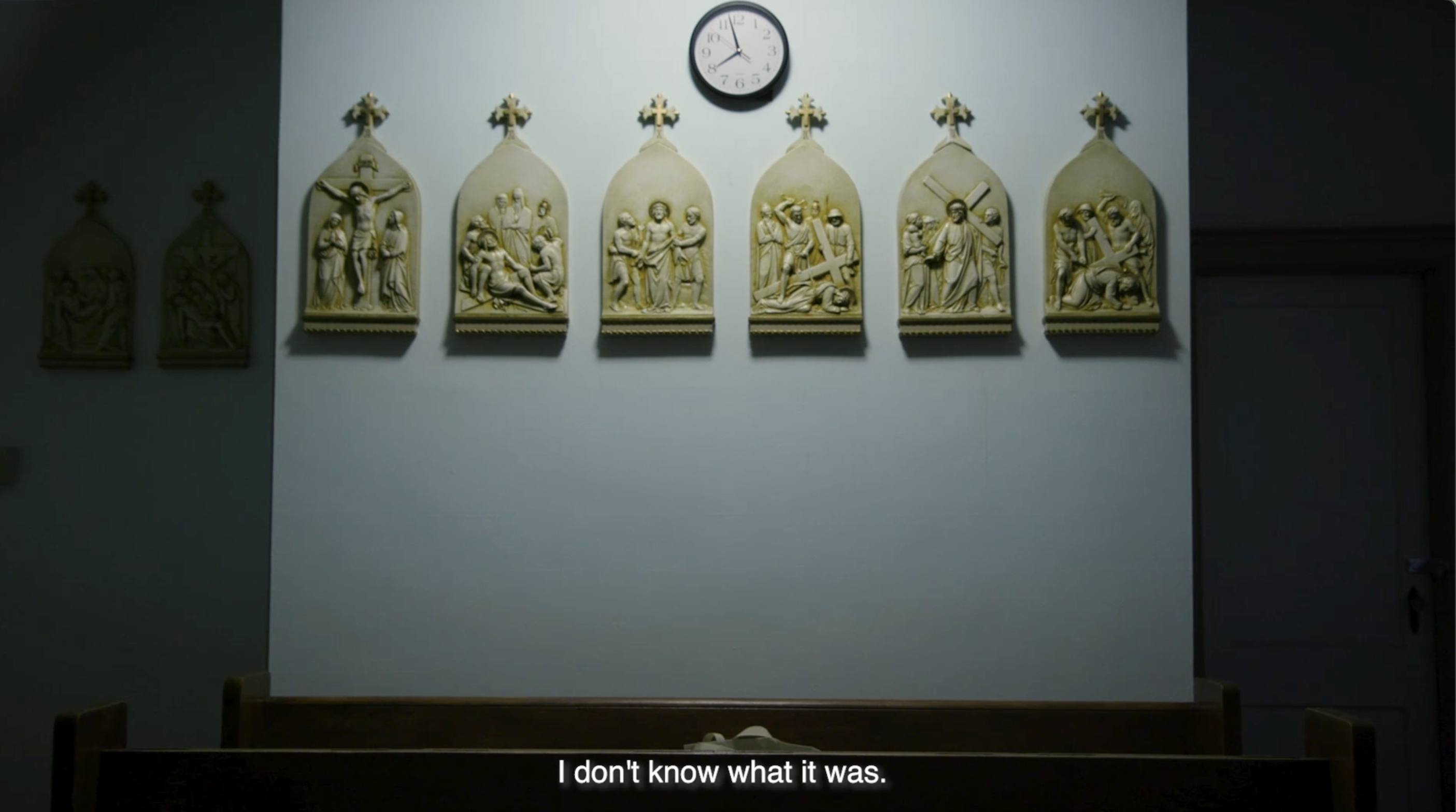
The chapel wall at St. Joseph's, its Stations of the Cross in a row beneath a clock.
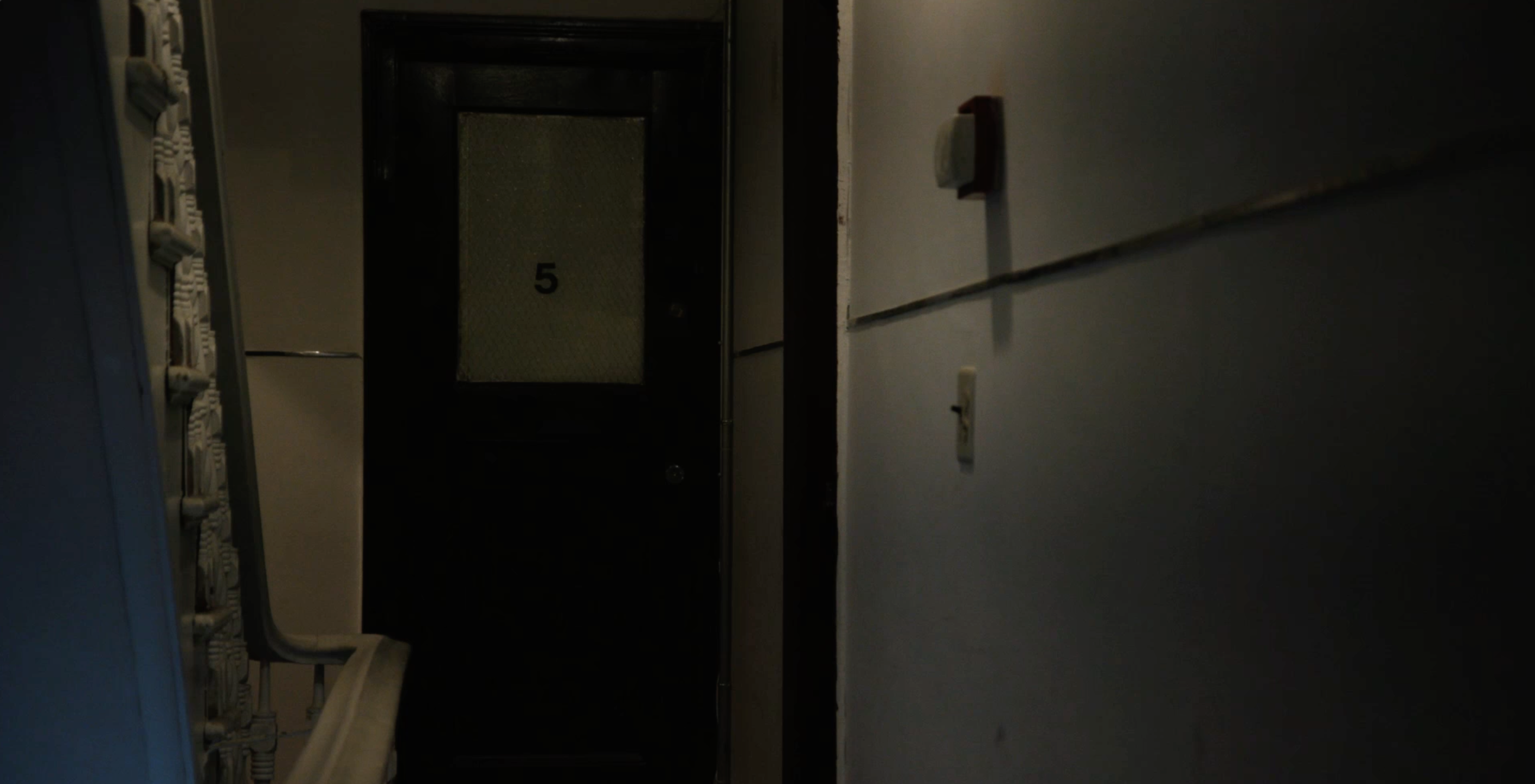
A dim corridor at St. Joseph's, the door to room 5 standing closed.
05 / Director's Note
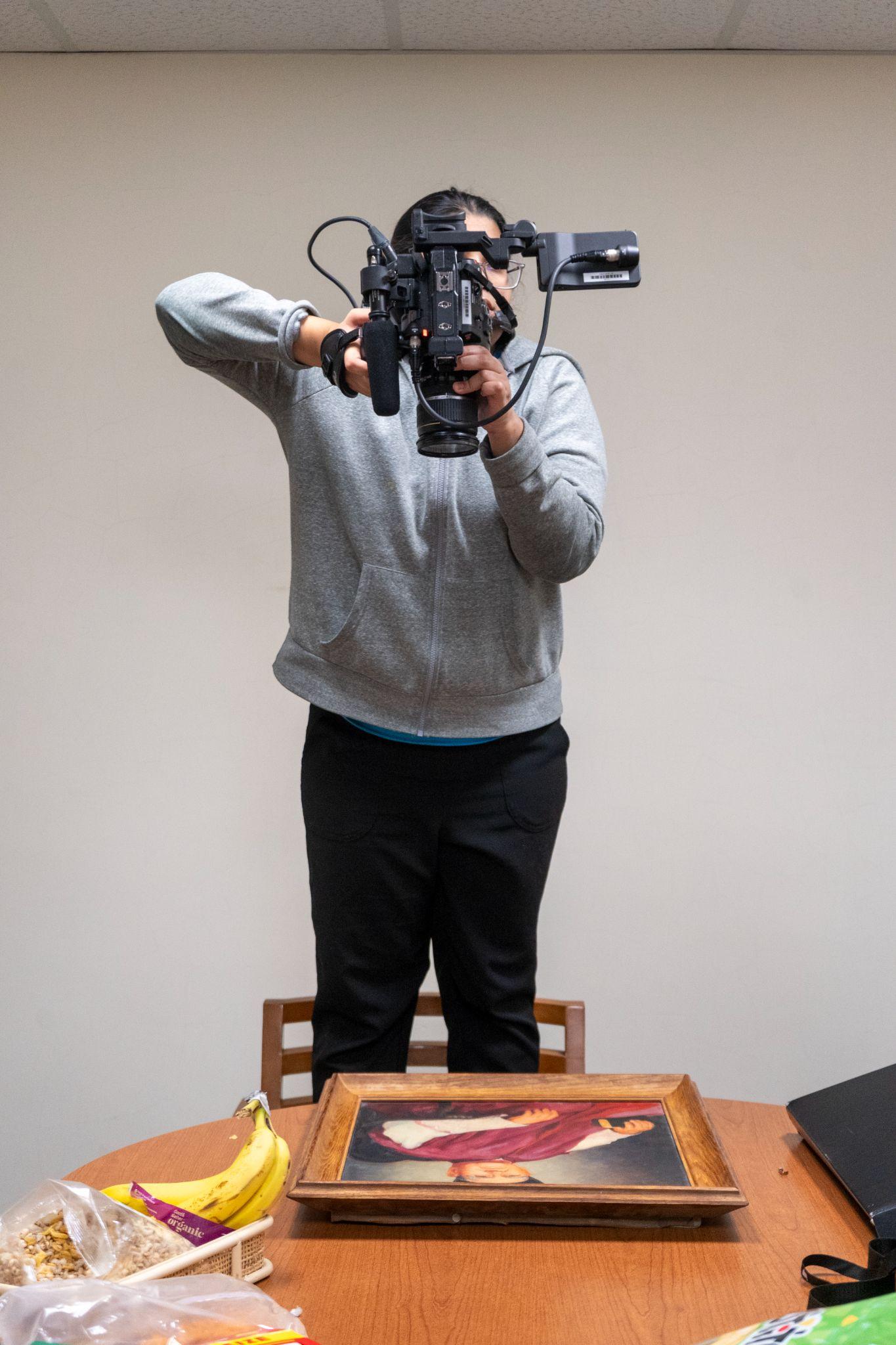
Khushali Haji filming handheld inside the dormitory's shared dining room.

I didn't just make this film. I lived it.

St. Joseph's was my first home in the city. I met these women in our shared kitchens and late-night conversations, and they became my first community in New York.

With a background in international reporting, urban design, and scriptwriting, I've always been drawn to layered stories where politics and intimacy overlap. This one is deeply personal, because in many ways I'm one of these women.

Accountability, maintained.

Since the film was shot where I also lived, the particpants were people I already knew. Trust came before footage, and consent was a ongoing question.

  • Topics shared before every interview, with any question skippable.
  • Filming stopped at the first sign of discomfort.
  • Regular check-ins through the edit. Nothing was filmed, cut, or included without ongoing consent.
06 / The Themes

What "making it" means after 2024.

It's an old story told many times over — artists trying to make it in New York City. But we're living in a tense climate where immigrant is a politically heavy word, and the terms of the story have changed underneath it.

These women's stories become a testament to a time before current policy shifts, when immigrants could arrive with greater security into a country where they felt like they had a shot.

This isn't a film about trauma, stereotyping, or identity politics. It's a film about tenacity, of changing and growing, in proximity, in discomfort, in community.

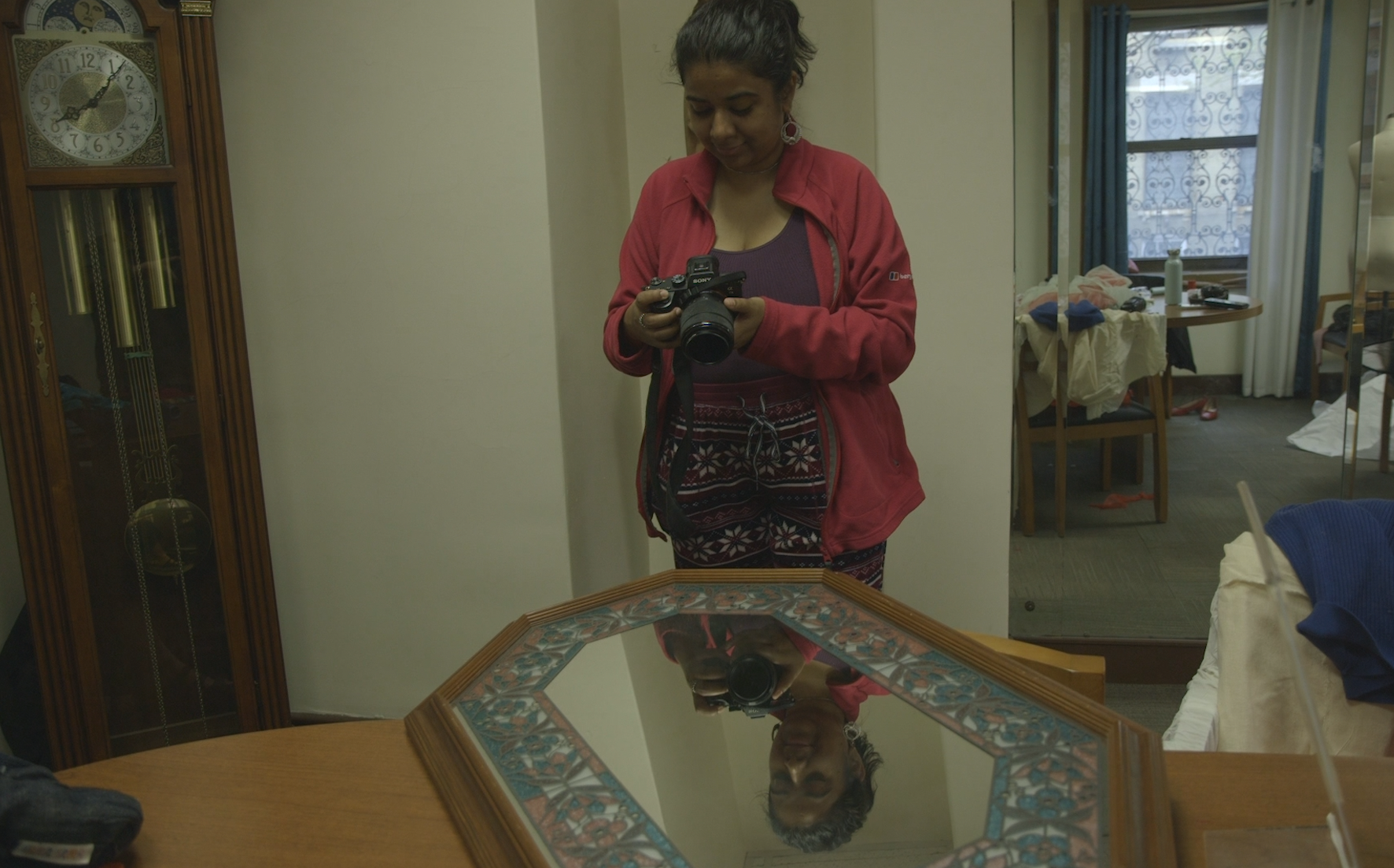
Shreya photographing herself, her face visible in the antique mirror's reflection below.
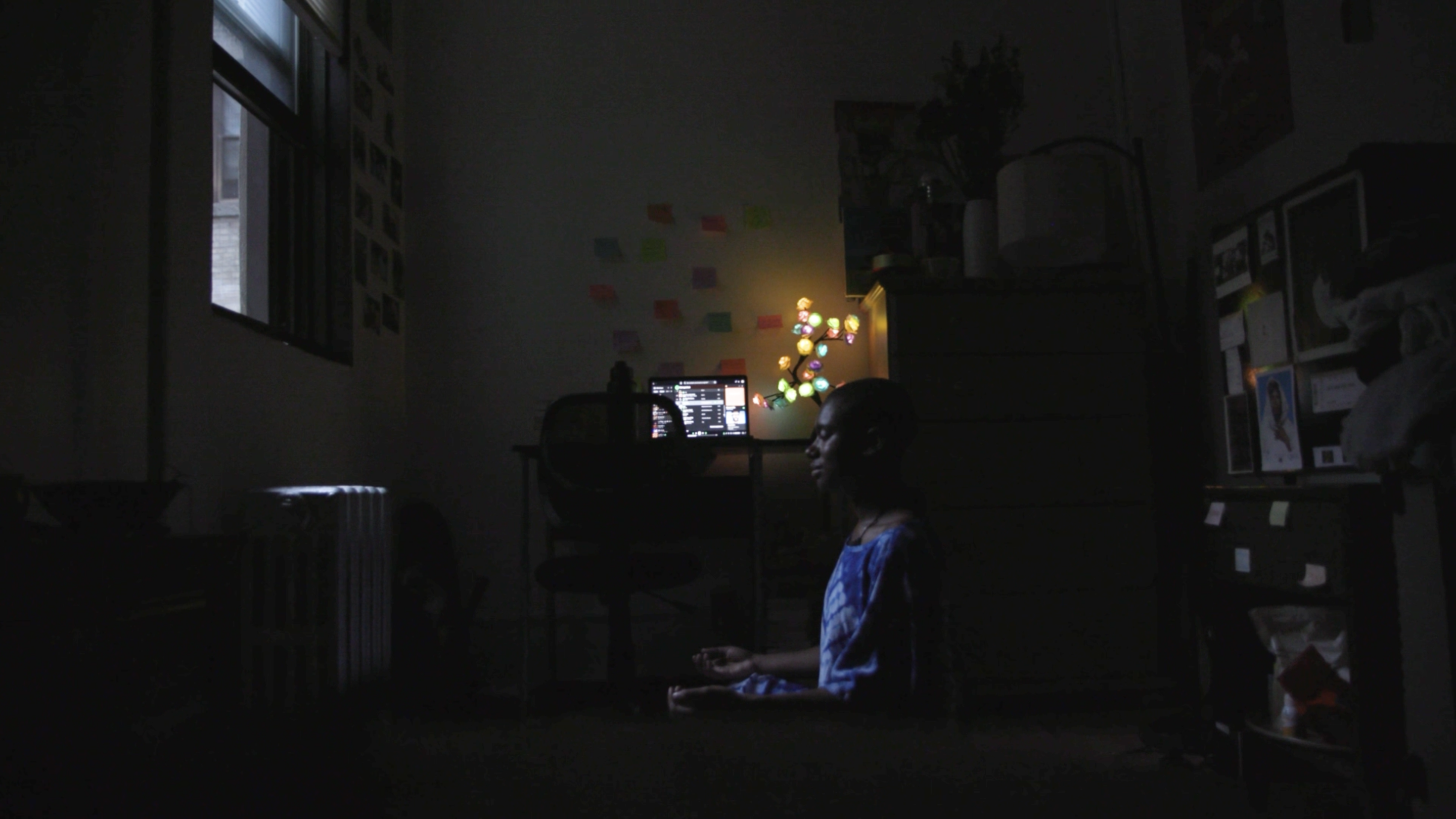
A resident meditating on the floor of her room at night, lit only by a string of fairy lights.
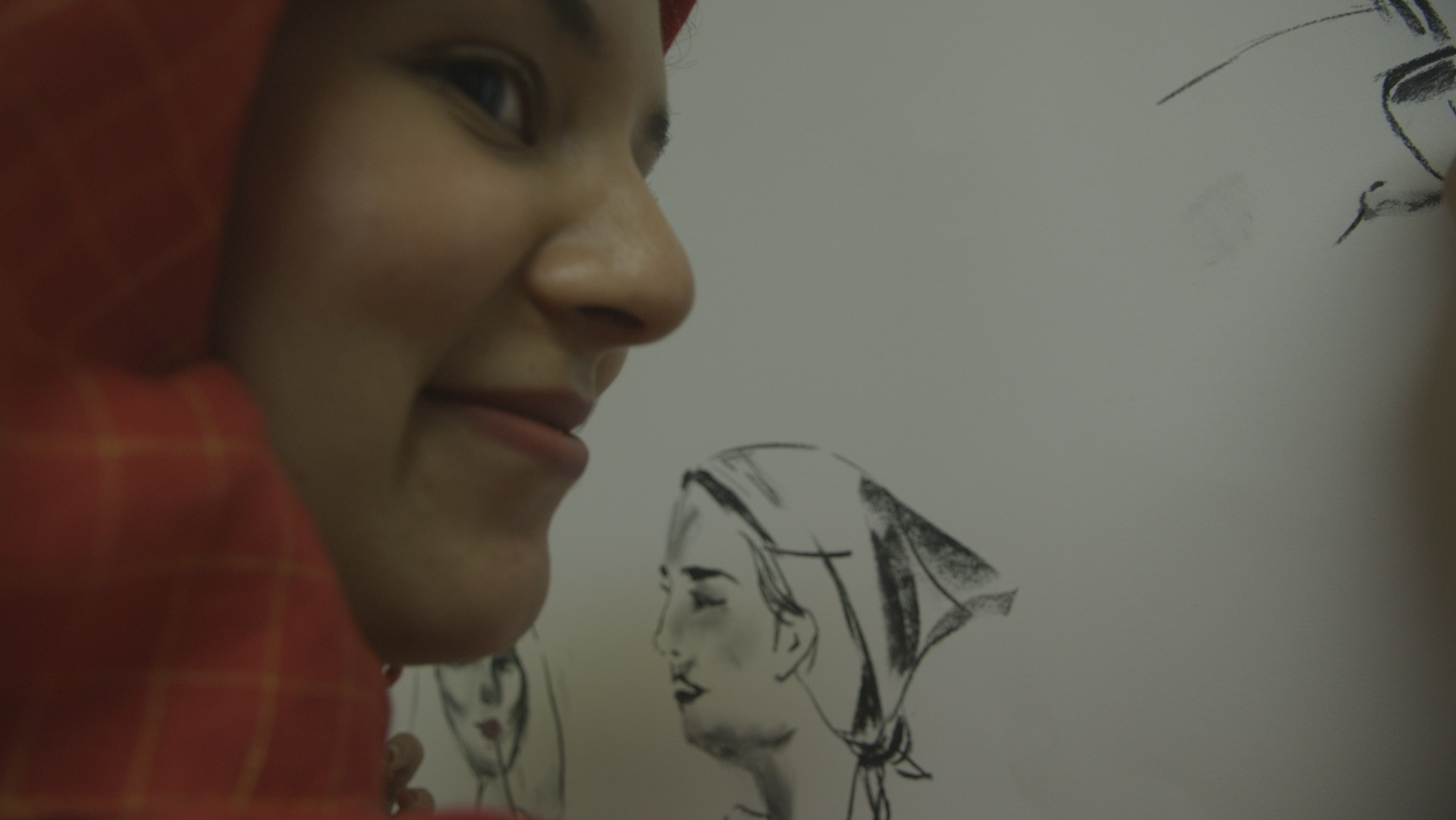
A close, unguarded profile in front of a charcoal sketch pinned to the wall.
07 / Where It Stands

In final post.

The film is in the final re-polish of post-production, with the last audio and color passes still to come.

Once those are locked it goes out to the wider festival circuit in 2027.

  • 2025 Woodstock Film Festival — Special Jury Mention
  • 2026 NYSCA Grant Recipient — supporting the finish
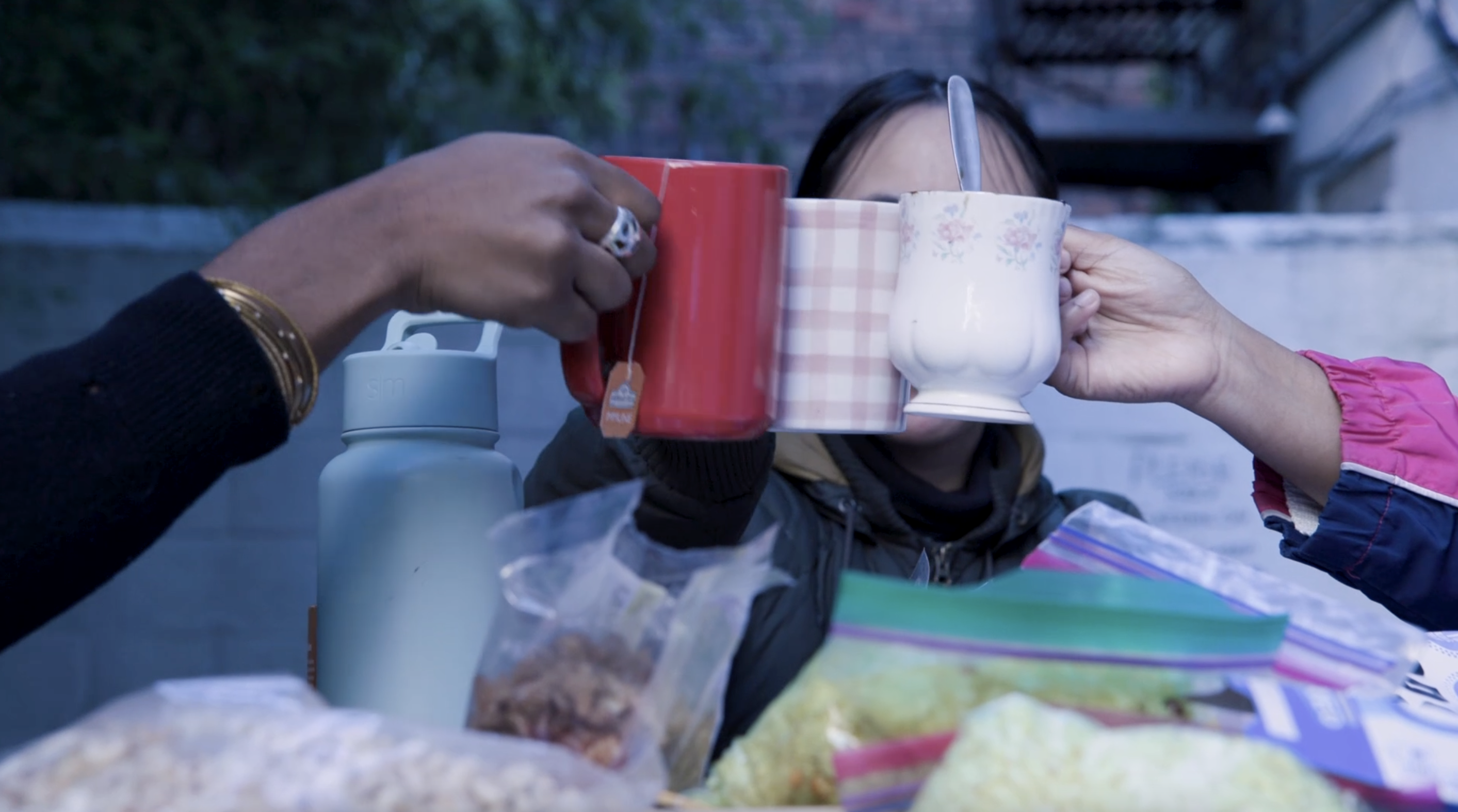
Two residents toasting with mismatched mugs over the communal table.
08 / Credits

The team.

Director, Editor, Cinematographer
Khushali Haji
Cinematographer, Participant
Shreya Sahai
Editorial Mentor
Mary Manhardt
Story Consultant & Mentor
Sabrina Gordon
Creative Advisor
Yoruba Richen
Producing Mentor
Judith Helfand

Special thanks to the 2024 Doc cohort at the Craig Newmark Graduate School of Journalism at CUNY, Stephanie Wang Breal, Amanda Nassem, and the Woodstock Film Festival team for recognition and support; to Hazare Renne-Glover for his collaboration during the initial development stage; and to the veteran editors and filmmakers – Mable Chan, Pierce Varous, Dara Kell, Melissa Thompson, and Sweta Vohra – who generously shared their wisdom along the way.

Working on something similar?

Get in touch

View more work